
Mortgages

Gary Goodwin
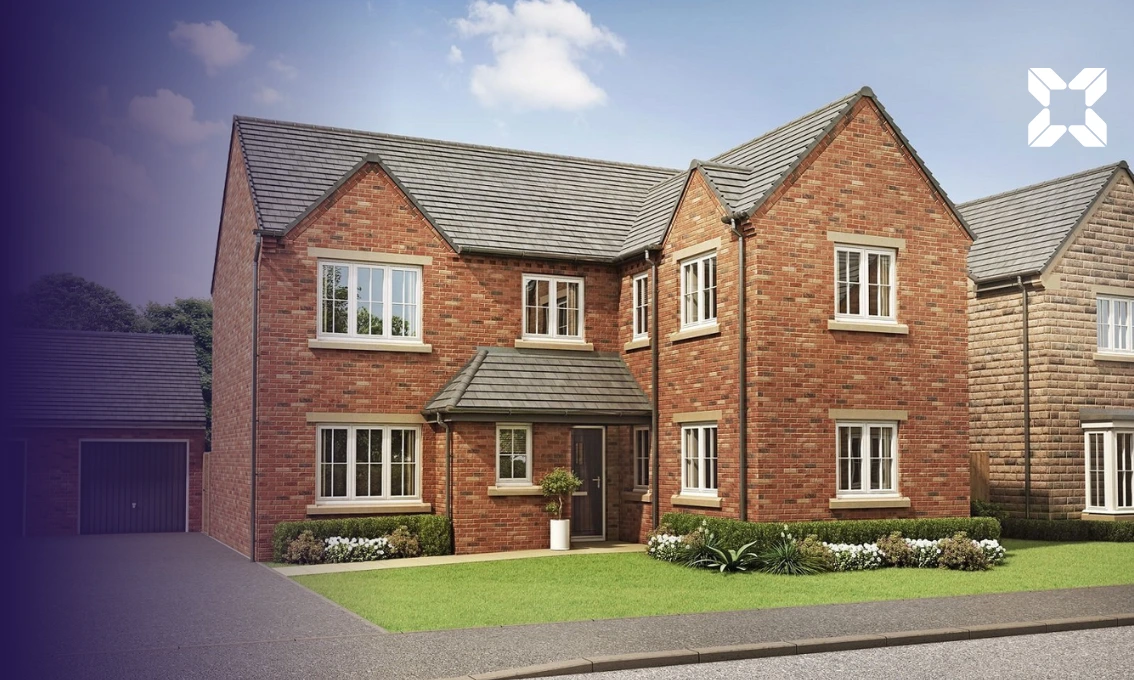
For many people trying to buy their first home, saving a deposit can be one of the biggest obstacles to getting onto the property ladder.
The return of a wider range of low-deposit mortgage deals is therefore attracting attention. A recent article highlighted buyers who have used mortgages covering 98% or even 100% of a property’s value, allowing them to buy with very little – or no – deposit upfront.
The Bank of England has reported that the proportion of UK mortgages being taken out with deposits below 10% is at its highest level since 2008.
However, lenders do have strict criteria for borrowers to qualify for these deals and only a small number of lenders offer products with very low or no deposits.
For some borrowers, a low-deposit mortgage could mean buying a home sooner rather than spending several more years saving.
But borrowing a larger proportion of a property’s value can also mean higher mortgage costs and greater exposure if property prices fall.
So, could a low-deposit mortgage be right for you?
And how does it compare with taking a larger deposit or spreading your mortgage over 30 or 35 years?
A mortgage deposit is the amount you contribute towards the purchase price of a property, with the remainder being borrowed from a mortgage lender.
A low-deposit mortgage generally means putting down 10% or less of the property’s value.
For example, if you bought a £250,000 property:
The percentage you borrow is known as the loan-to-value (LTV) ratio. A 95% mortgage, for example, means you are borrowing 95% of the property’s value and providing the remaining 5% as a deposit.
Most mortgages require a deposit of at least 5%, although some 100% mortgage products are available to eligible borrowers.
MoneyHelper notes that low-deposit and no-deposit mortgages can help people buy sooner, but may come with higher interest rates and an increased risk of negative equity.
For many prospective buyers, the problem isn’t necessarily being able to afford a mortgage each month – it is finding enough cash for the deposit.
House prices, rent and the wider cost of living can make it difficult to build savings quickly.
A buyer may have a stable income and be able to demonstrate that they can afford monthly mortgage payments, while still struggling to accumulate a conventional 10% or 20% deposit.
A number of lenders are now offering mortgages at 95% LTV or higher, although eligibility varies considerably between products.
Some 100% mortgages also have specific requirements around income, rent-payment history, credit commitments and affordability.
That doesn’t mean a low-deposit mortgage is suitable for everyone. It means that it is increasingly an option worth considering alongside other ways of buying a home.
The most obvious attraction is that you don’t have to wait as long to save a larger deposit.
If house prices are rising while you are saving, it can sometimes feel as though the target is continually moving further away.
A smaller deposit could allow you to purchase sooner, provided the mortgage is affordable and you meet the lender’s criteria.
Using every penny of your savings for a deposit can leave you with little money available for moving costs, repairs, furnishings or unexpected expenses.
A smaller deposit could allow you to retain some cash as an emergency fund.
However, this needs to be balanced against the fact that a smaller deposit generally means a larger mortgage and potentially higher monthly or overall costs.
If the value of your property increases, the equity you have in it could grow.
For example, if you bought a £250,000 property with a £12,500 deposit and its value subsequently increased to £275,000, the property would have risen by £25,000.
However, property prices can also fall so there is no guarantee that your home will increase in value.
One of the most important considerations is that mortgages with higher LTVs can come with higher interest rates.
A larger deposit reduces the amount you need to borrow and can also give you access to a wider range of mortgage products.
This means that the cost of a low-deposit mortgage should not be judged solely by the size of the deposit required.
The interest rate, mortgage term, fees and total amount repayable all need to be considered.
Equity is the difference between the value of your property and the amount you owe on your mortgage.
With a 95% mortgage, you initially have only 5% equity from your own deposit. With a 100% mortgage, you have no initial deposit-based equity.
If property prices subsequently fall, you could find yourself in negative equity, where the mortgage balance is greater than the value of the property.
This can make moving home or remortgaging more difficult.
This may seem obvious, but borrowing more means repaying more.
A low deposit can therefore make buying possible sooner, but it does not make the underlying cost of buying a property lower.
It is particularly important to consider whether the mortgage would remain affordable if your circumstances changed – for example, if your household income fell, your expenditure increased or your mortgage rate increased when your initial deal ended.
Not every lender offers high-LTV mortgages, and not every borrower will qualify.
Eligibility can depend on factors including income, employment, credit history, existing debts, property type and the lender’s affordability criteria.
Some low-deposit products may also exclude certain properties or circumstances.
Deposit size isn’t the only decision facing buyers.
The mortgage term – the period over which you agree to repay the mortgage – can have a major effect on affordability and the overall cost of borrowing.
Longer mortgage terms have become increasingly common. The average mortgage term for first-time buyers is now 31 years, with some buyers choosing terms of up to 40 years to reduce their monthly repayments.
A longer mortgage term can therefore be used alongside a low deposit.
For example, someone could take a 95% mortgage over 35 years rather than a 25-year mortgage.
The advantage is lower monthly payments. The disadvantage is that you generally pay interest for longer and therefore pay more over the life of the mortgage.
Suppose you buy a £250,000 property with a 5% deposit, leaving a £237,500 mortgage.
Using an illustrative interest rate of 5.5% and assuming the rate remained unchanged for the entire mortgage term:
| Mortgage term | Approx monthly repayment | Approx. total interest |
| 25 years | £1,458 | £200,000 |
| 30 years | £1,348 | £248,000 |
| 35 years | £1,275 | £298,000 |
These figures are illustrative rather than current mortgage offers and don’t include fees or changes in interest rates.
The example shows the trade-off clearly. Extending the mortgage from 25 to 35 years reduces the monthly payment by around £183, but increases the illustrative interest cost by almost £98,000.
MoneyHelper gives a similar warning: longer mortgage terms reduce monthly repayments but increase the amount of interest paid over the lifetime of the mortgage.
These are not necessarily alternatives.
A buyer could have:
Each changes the balance between the upfront cost, monthly affordability, interest paid and the amount of equity built up.
For example, a buyer who can afford the monthly payments on a 25-year mortgage might choose a longer term initially to give themselves more flexibility, with the intention of making permitted overpayments.
Alternatively, someone who has enough savings for a larger deposit might decide to keep some cash available rather than putting every available pound into the property.
There is no single combination that will be appropriate for every borrower.
Potentially, yes.
A longer term reduces the required monthly repayment, which can help an applicant meet affordability requirements and make the mortgage more manageable within their household budget.
But it is important not to confuse lower monthly payments with lower overall cost.
A 35-year mortgage can mean paying substantially more interest than a 25-year mortgage.
There is also the question of age.
A longer mortgage term may not be available to everyone because lenders consider the age at which the mortgage will be repaid and whether the borrower is likely to be able to maintain repayments.
Potentially.
Some mortgage products allow borrowers to make overpayments, subject to the lender’s rules and any early repayment charges.
Overpayments can reduce the outstanding balance and, depending on the mortgage, can help reduce the amount of interest paid and the time taken to repay the loan.
A longer term can therefore provide some borrowers with flexibility: the contractual payment is lower, but they may be able to make additional payments when their finances allow.
However, overpayment allowances and early repayment charges vary between mortgages, so these features should be checked before choosing a product.
Before deciding that a low-deposit mortgage is the right route, it is worth considering the wider financial picture:
Don’t base affordability solely on what a lender is prepared to offer.
Consider how your budget would cope with higher household bills, changes in income or higher mortgage payments when your initial deal ends.
Buying a home comes with costs beyond the deposit and mortgage.
You may need money for legal fees, surveys, moving costs, insurance, repairs and unexpected expenses.
If you are likely to move relatively soon, the risk associated with a small amount of initial equity may be more significant.
If you expect to remain in the property for many years, you may have more opportunity to build equity through mortgage repayments – although there are still no guarantees about future property prices.
Don’t look only at the headline interest rate or monthly payment.
Consider the mortgage term, fees, early repayment charges and the total amount repayable. Compare the Annual Percentage Rate of Charge (APRC) and the wider costs and features of mortgage products.
If you have a variable-rate mortgage, your payments can change as interest rates change.
Even with a fixed-rate mortgage, the question becomes important when your initial deal ends and you need to choose a new mortgage.
In the event of unexpected events such as illness, keeping up repayments on your mortgage may be challenging.
You may want to consider taking out a financial protection policy to help mitigate such eventualities.
Choosing a mortgage isn’t simply a question of finding the lowest interest rate.
A mortgage adviser can look at your circumstances, financial commitments, deposit, income and plans and assess which types of mortgage may be appropriate.
This can be particularly useful where you have a smaller deposit.
An adviser can help you understand lender affordability criteria, search across available products and identify lenders that may be better suited to individual circumstances.
A mortgage adviser can help you consider questions such as:
The FCA’s mortgage rule review also reflects the continuing focus on improving access to suitable mortgages for creditworthy consumers, while maintaining responsible lending and affordability considerations.
For some buyers, waiting until they have a larger deposit may be the right decision. For others, a low-deposit mortgage could provide a route into home ownership sooner.
The important point is to look beyond the deposit itself.
A smaller deposit can mean borrowing more and potentially paying a higher interest rate. A longer mortgage term can reduce monthly payments but increase the total interest paid. Combining the two may improve short-term affordability while increasing the overall cost and leaving you with less equity initially.
That is why the right mortgage should be considered in the context of your whole financial position, rather than simply the size of the deposit you have saved.
If you’re considering a low-deposit mortgage, a mortgage adviser can help you compare the available options and understand how different deposits, mortgage terms and repayment levels could affect your finances.
Get in touch with us today to find out more.
YOUR HOME MAY BE REPOSSESSED IF YOU DO NOT KEEP UP REPAYMENTS ON YOUR MORTGAGE.
Disclaimer: This article is for informational purposes only and does not constitute financial, tax, or legal advice. Tax treatment depends on individual circumstances and may change. A recommendation will be made only following a full assessment of your personal circumstances. Always seek professional advice before making financial decisions.
| Match me to an adviser | Subscribe to receive updates |
A low-deposit mortgage is a mortgage where the borrower provides a relatively small deposit towards the property purchase, typically 10% or less. For example, a 95% loan-to-value (LTV) mortgage requires a 5% deposit, while some mortgages may allow borrowers to purchase with an even smaller deposit.
Yes. 5% deposit mortgages are available from a range of lenders, although eligibility and affordability requirements vary. A 5% deposit on a £250,000 property would be £12,500, leaving a £237,500 mortgage. A mortgage adviser can help you understand which lenders may consider your circumstances.
Some 100% LTV mortgages are available, meaning you may be able to buy a property without providing a conventional cash deposit.
However, these mortgages are not available to everyone and usually have specific eligibility and affordability requirements.
Borrowing 100% of a property’s value can also increase the risk of negative equity if property prices fall.
They can be. A smaller deposit means you borrow a larger proportion of the property’s value, and higher-LTV mortgages can have higher interest rates than mortgages where the borrower provides a larger deposit.
It’s therefore important to compare the overall cost of the mortgage rather than looking only at the deposit required or monthly payment.
Whether a 95% mortgage is suitable depends on your circumstances.
It can allow you to buy with a 5% deposit rather than waiting to save more, but you will have a larger mortgage and may pay a higher interest rate.
You should also consider whether you would have sufficient savings left to cover emergencies and the other costs of buying a home.
These decisions address different aspects of a mortgage.
A larger deposit reduces the amount you need to borrow and may give you access to lower LTV mortgage rates. A longer mortgage term reduces the required monthly payment but generally means paying interest for longer.
The most suitable combination depends on your affordability, savings and longer-term financial plans.
A 35-year mortgage can reduce monthly repayments compared with a shorter mortgage term, which may make buying a home more affordable within your monthly budget.
However, you will generally pay more interest over the lifetime of the mortgage. It’s important to consider both the monthly payment and the total cost of borrowing.
Generally, yes. If the interest rate and mortgage balance were otherwise the same, extending a mortgage term means interest is charged over a longer period.
This can significantly increase the total amount paid over the life of the mortgage, even though the monthly repayment is lower.
Potentially. Some lenders offer longer mortgage terms alongside high-LTV mortgages, but availability depends on the lender and your individual circumstances. Factors such as your age, income, expenditure, credit history and the property’s characteristics can affect eligibility.
Potentially. Many mortgages allow some level of overpayment, although the amount you can repay without charge varies between products.
Some mortgages may also have early repayment charges. If you are considering a longer term because of the lower monthly payment, it can be worth checking whether the mortgage gives you flexibility to make overpayments in the future.
If the value of your property falls significantly while you have a relatively small amount of equity, you could potentially enter negative equity. This is where the outstanding mortgage is greater than the property’s value.
Negative equity can make it more difficult to move home or remortgage, although the implications depend on your individual circumstances and the size and duration of any fall in value.
There is no universal answer. Saving a larger deposit could reduce the amount you need to borrow and may give you access to a wider range of mortgage products.
However, waiting also means delaying the purchase and continuing to save while property prices, rents and mortgage rates may change.
A mortgage adviser can help you compare the potential implications of buying now with a smaller deposit against waiting and saving more.
A mortgage adviser can assess your circumstances and help you understand the mortgage options available to you.
They can compare factors such as deposit requirements, LTV, interest rates, mortgage terms, affordability, fees and lender criteria. This can be particularly useful if you have a small deposit or are considering combining a low deposit with a longer mortgage term.
Consider the size of your deposit, monthly repayments, interest rate, mortgage term, total amount repayable, fees, early repayment charges and how much emergency savings you would have left after buying.
You should also consider how affordable the mortgage would be if your circumstances changed or your mortgage rate increased when your initial deal ends.
For further information, please contact:
For further information, please contact: