Mortgages

Gary Goodwin

In recent years there has been a lot of talk around the difficulties that first-time buyers (FTB) face when trying to take their first step on the property ladder.
This came up in conversation recently when discussing the “right time” to make that step, especially in the current geo-political situation.
The reality is that over a period we have had a lot of uncertainty, and this links back to a previous blog talking about quick decision making.
We don’t know what the future holds, so putting off decisions could result in no action.
In the 1990s, the average age of a first-time buyer was 29 and only 40% of those buying needed to rely on two incomes with very few needing to rely on support from family for deposits.
Today, over half of first-time buyers rely on two incomes and the average age of an FTB is 34.
FTB numbers sat at around 700,000 in 2008 and grew to around 975,000 in 2023/24.
Contrary to popular belief, the ability to own a property is becoming more realistic for more people in the UK today.
It is also predicted that going forward to 2028, this affordability element will increase further, making more than 125,000 additional first time buyers able to enter the market.
Lenders and mortgage regulator the Financial Conduct Authority are playing fundamental roles in this by making loan to income limits higher to support people with lower deposits being able to safely borrow more.
For example, alongside affordability tests you may be able to borrow up to four and a half times your income or even more depending on personal circumstances.
One big change the industry is seeing is the support from loved ones in the form of a gift towards deposits.
Around 30% of FTBs are now supported this way via a number of different ways including later life mortgages, savings or other financial instruments. These are all things which Fairstone can support with.
The reality is that the savings needed are higher than those of former generations but the dream of owning a property is certainly not out of reach. If anything, prospects are forecast to improve.
Data from mortgage provider Skipton Building Society flags up some interesting trends in the first time buyer market.
Between 2020 and 2024, the purchase of flats by FTBs has dropped by 5% in contrast with the 2007 – 2009 period.
However, these figures are influenced by London where flats are purchased by 7 in 10 FTBs.
Recent first time buyers have been able to afford bigger homes. Floor space is increasing in the homes available to FTB compared to those buying in 2007 – 2011 with buyers in the Midlands and East seeing the biggest margins when comparing square metres in the home.
In addition to having bigger homes, first time buyers are still able to buy properties where they have a “spare bedroom”.
This keeps pace with previous first time buyer generations and is also potentially a reflection of changing working patterns as more people now require the ability to work from home.
As we start to look at how we can improve our impact on the environment, first time buyers are buying more energy-efficient homes.
A total of 60% of first time buyer purchases were properties rated ‘C’ or above, meaning these buyers are able to offset any hikes in energy prices by being more efficient.
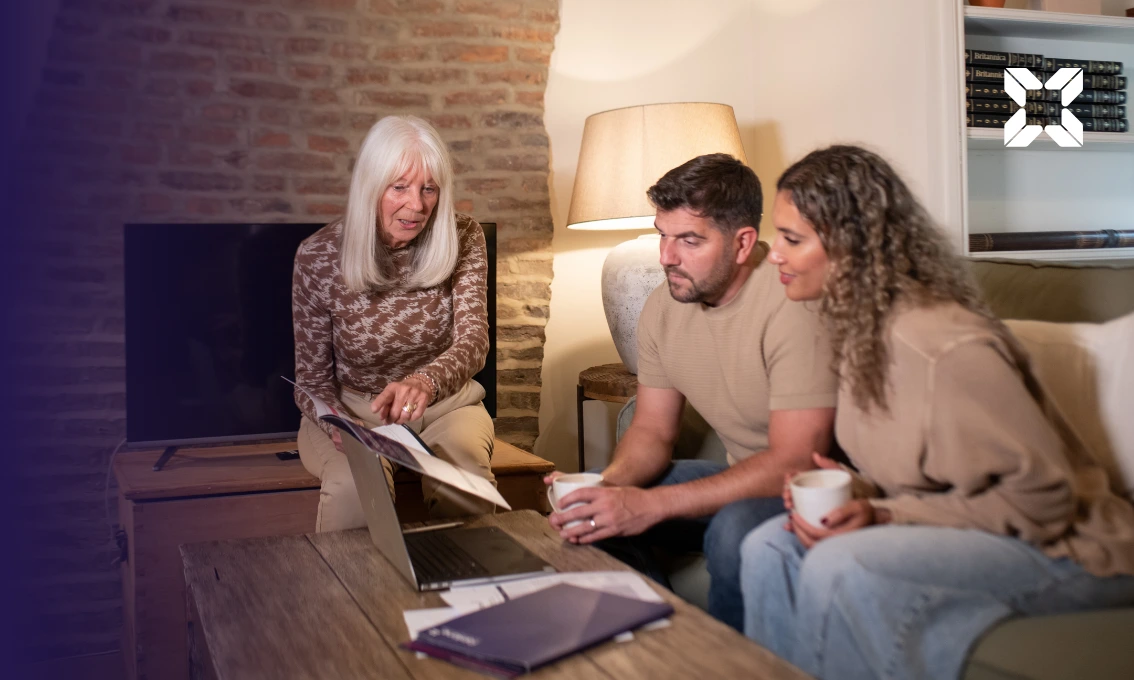
If you are a first time buyer looking to get your foot on the property ladder, a mortgage adviser can help with your planning and give you expert advice on affordability and what you (and your partner) can afford to lend. With recent changes in legislation this could be more than you think.
Putting these conversations off when we don’t know what the future looks like in terms of rates might see you postpone your dream of owning a home for longer than you anticipated. Being fully informed will help you make a swift decision.
Get in touch with one of our advisers to find out more.
YOUR HOME MAY BE REPOSSESSED IF YOU DO NOT KEEP UP REPAYMENTS ON YOUR MORTGAGE OR OTHER LOAN SECURED AGAINST IT.
Disclaimer: This article is for informational purposes only and does not constitute financial, tax, or legal advice. Tax treatment depends on individual circumstances and may change. A recommendation will be made only following a full assessment of your personal circumstances. Always seek professional advice before making financial decisions.
For further information, please contact:
For further information, please contact: